
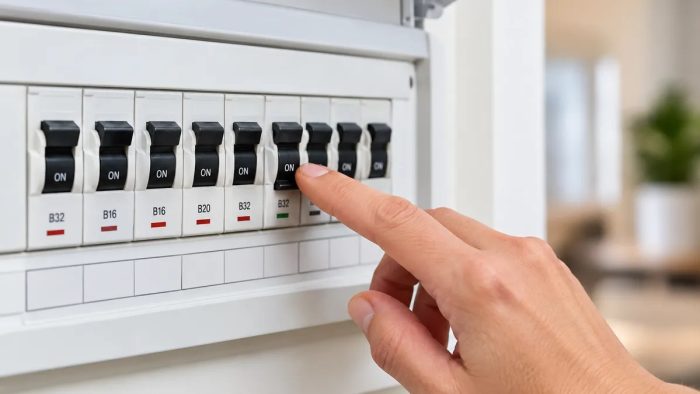
Blackouts are annoying. They are even more annoying when you aren’t sure what is causing them. Many people become frustrated when they have to stand in the dark and use a flashlight to see the electrical box. Luckily, most household electrical problems are fairly simple to understand. It is good to understand household electrical issues because then you will be able to tell when you should call an electrician.
What Causes a Breaker to Trip
Blackouts are annoying. They are even more annoying when you aren’t sure what is causing them. Many people become frustrated when they have to stand in the dark and use a flashlight to see the electrical box. Luckily, most household electrical problems are fairly simple to understand. It is good to understand household electrical issues because then you will be able to tell when you should call an electrician.
What is an Overloaded Circuit?
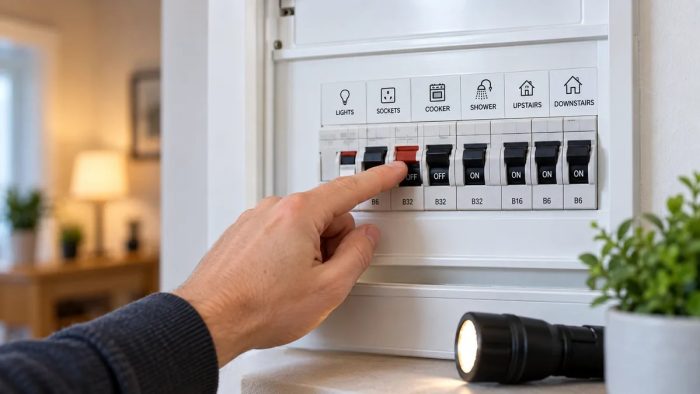
An overloaded circuit is a circuit that has too much demand placed on it. Most older houses were built a long time before the current demand on household circuits. Often kitchen circuits are overloaded because people have many high demand appliances all on the same circuit.
It is common for people to have a kettle, toaster, and microwave all on the same circuit and then add an air fryer as well. Breaker trips can happen for many reasons. Sometimes there is a more serious problem, but usually a simple overloaded circuit is the reason breakers keep tripping.
When a number of devices are used at the same time, an overload may occur. Unlike other issues, an overload may not require you to contact your service provider right away. You may need to consider how you connect your devices to outlets, and in the long term, add more circuits.
Faulty Devices
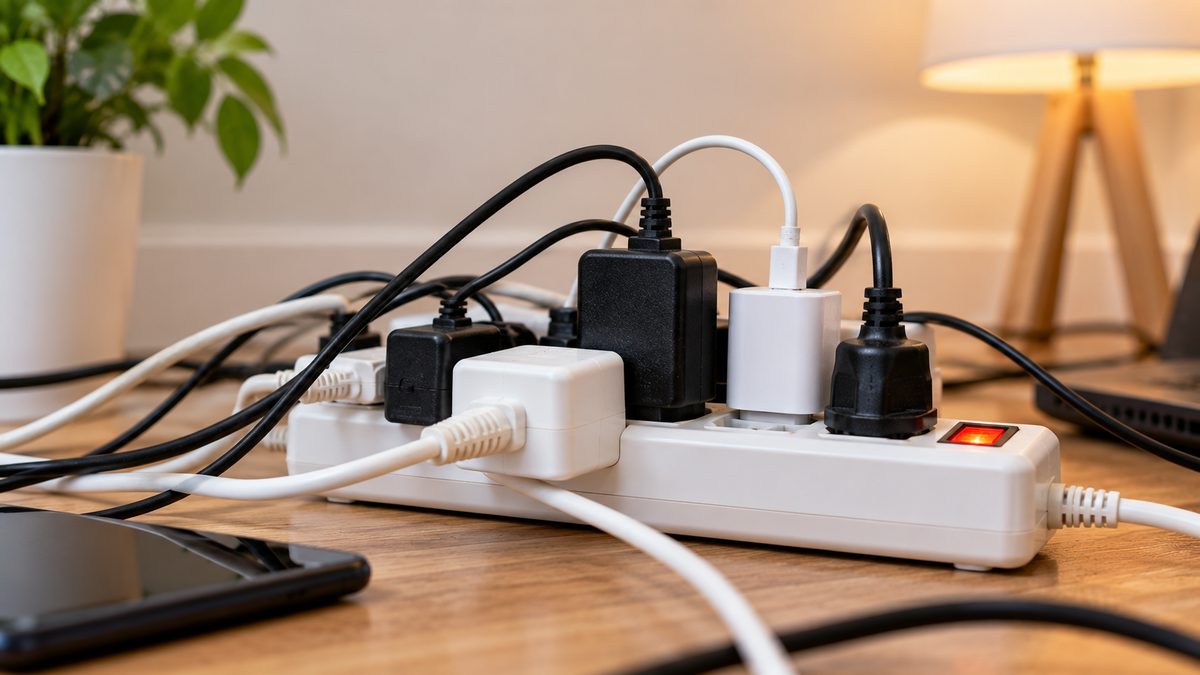
There are other possible causes of tripped circuits that are not related to wiring in your house. One possible cause may be a faulty device. Some examples are a washing machine about to fail, a cell phone charger of poor quality, or a toaster with a worn cable.
One way to identify the cause of tripped circuits is to unplug all the devices connected to the circuit. Plug the devices in and turn them on one at a time. If a circuit breaks when a particular device is turned on, then that device is the cause of the problem.
Dampness & Decay
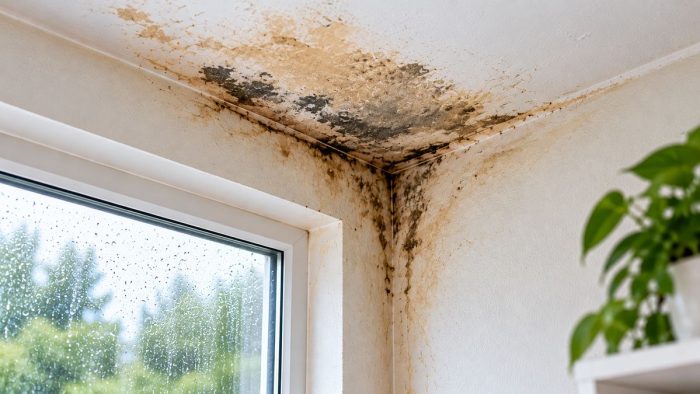
Dampness and electrical devices are a dangerous combination. This is where it may become more difficult to determine possible causes of a tripped circuit. For example, if there is dampness in a wall, it may cause a circuit to trip. Other possible causes may be a leaking water pipe or damp conditions in the attic.
Without specialised equipment, determining the cause of these problems can be very difficult. The reason for this is that there are many different appliances in a home that can be controlled by multiple switches, and not all of them can be directly observed. If you notice that breaker trips occur primarily during wet and humid weather, this information should be provided to an electrician, since it may provide a clue to the electrician regarding the cause of the problem.
Aging Wiring
Homes that were built more than 20 to 30 years ago may still have the original wiring, which was designed to handle a small portion of the loads that are required by modern day appliances. Over time, the insulation on wiring may break down, increasing the chances of a fault developing. If breaks have recently started to occur, and there is no obvious explanation for the breaks, aging of the wiring should be considered.
An Electrical Installation Condition Report (EICR) is the way to have wiring inspected to assess the condition of the wiring. This report may provide information to the homeowner that may be useful in alleviating concerns regarding the condition of wiring in the home.
When To Call a Pro
t’s normal for a house to trip its electrics from time to time. Usually, this happens when too high of a load is placed on a circuit. Common sense tells us that a recurring need to reset the breakers is a problem. Likewise, a consistent need to reset a GFCI outlet indicates a problem. So does a consistent burning odor near the electrical outlets or the breaker box. Visible scorching near the outlets is another problem.
These signs tell us that an electrical system is failing. A more thorough diagnosis should be left to a professional electrician. Electrical systems are complicated and sometimes a small problem with the electrical system can lead to a larger electrical problem.
Problems with a house’s electrical system can seem mysterious. This is mostly because the average person has no way of seeing the inner workings of the electrical system. However, the reasons for why a house’s electrical system is tripping are usually fairly straightforward and clear once the reasons are explained.
Frequently Asked Questions About Commercial Solar Panels
How much do commercial solar panels save energy bills?
Approximate savings cannot be given at an individual level as system size and energy usage varies. However, as an example, with a designed solar system, businesses can achieve savings of 30% to 70% off of daytime electricity bills.
Do commercial solar panels expire?
Although commercial solar panels can have a powerful warranty of around 25 years, the energy savings will last as long as the system is paid off.
Who Installs Commercial Solar Panels for Businesses
It’s important to work with an experienced contractor who understands both solar technology and commercial electrical systems. Companies such as CAM Electrical provide commercial solar panel installation services, helping businesses design and install systems that are tailored to their building and energy requirements.
If you have any questions about Commercial Solar Panels, please get in touch with CAM Electrical. Our expert industrial electricians will be able to advise you and provide you with a bespoke solution to fit the needs of your industrial or commercial space.
Leave a Reply